
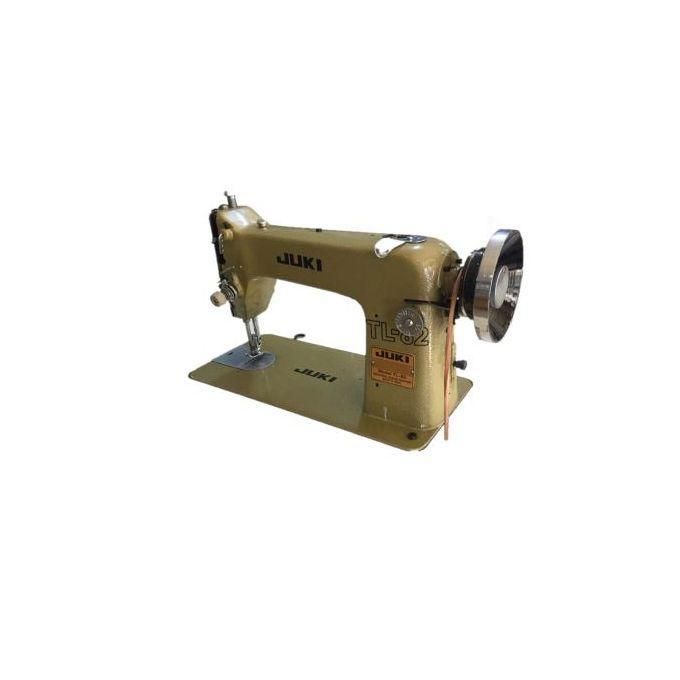
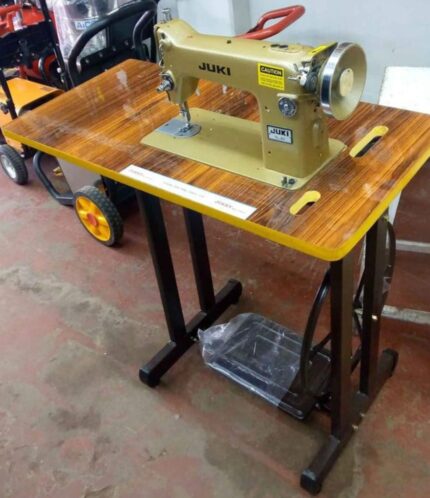
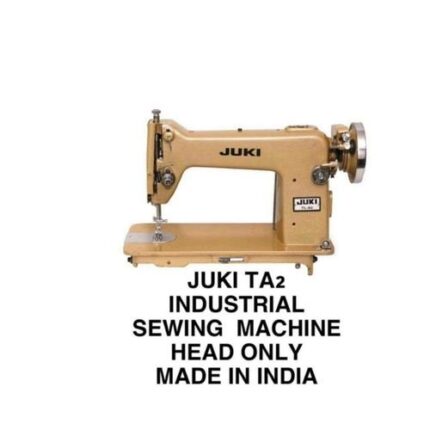
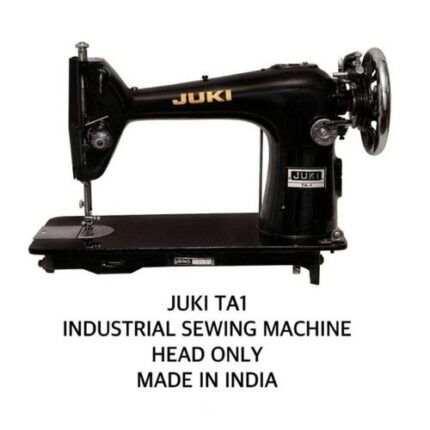
Proffesional Juki Sewing Machine
KSh10,000.00
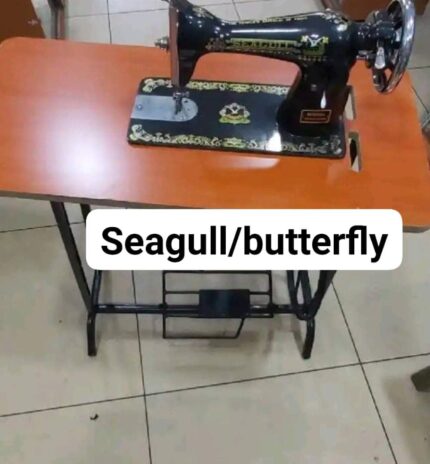
| Feature | Butterfly (Classic JA2-1) | Juki (Industrial DDL-8700) |
| Primary Use | Domestic tailoring, off-grid sewing | Commercial garment manufacturing, high-volume studios |
| Max Speed | ~1,000 stitches per minute | 5,500 stitches per minute |
| Power Source | Manual (treadle/hand-crank) or mini motor | Electric (Servo or Clutch motor, usually 110V/220V) |
| Lubrication | Manual port-by-port oiling | Automatic oil pan reservoir (self-pumping pump) |
Founded in Japan in 1938, Juki began making home machines but quickly shifted focus to dominate the industrial garment sector. Today, if you look at a tag on a piece of clothing bought from a major brand, there is a very high percentage chance it was stitched on a Juki. They are prized for their blistering speed, pinpoint precision, and bulletproof reliability under heavy factory use.
1. Industrial Powerhouses
Juki’s main claim to fame is their line of industrial machines. Unlike home units, these are mounted into heavy, specialized power tables equipped with external motors (traditionally clutch motors, now mostly silent, energy-saving servo motors).
Famous Industrial Models:
-
Juki DDL-8700: The absolute gold standard for a single-needle industrial lockstitch machine. It is a straight-stitch-only beast found in design studios and factories everywhere. It can stitch at a staggering 5,500 stitches per minute (more than five times faster than a standard home machine).
-
Juki DU-1181N: A heavy-duty “walking foot” machine. It features a top and bottom feed mechanism designed specifically to pull stubborn, thick materials like leather, upholstery, canvas, and vinyl through without slipping.
-
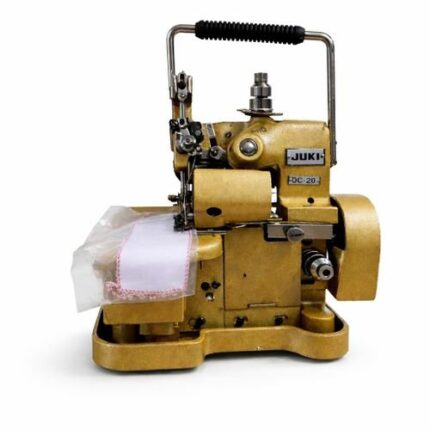
MO Series (Sergers / Overlockers): High-speed, multi-thread edge-finishing machines that slice excess fabric and overlock raw seams simultaneously at speeds up to 7,000 SPM.
2. Professional Domestic & Semi-Industrial Models
Recognizing that home sewists, quilters, and independent designers wanted industrial-grade stitching without a giant 100-pound factory table, Juki created highly successful hybrid lines:
-
The TL Series (e.g., TL-2010Q, TL-18QVP): Known as “semi-industrial” or portable straight-stitch machines. Built with a solid aluminum die-cast frame, a powerful arm, and a footprint that fits on a standard desk. They are wildly popular among free-motion quilters and independent apparel makers because they offer industrial-like tension control and piercing power.
-
The HZL Series: Juki’s fully computerized domestic machines (like the HZL-F600 or HZL-DX7). These feature hundreds of decorative stitches, independent box-feed systems (borrowed from industrial technology to handle thin fabrics without puckering), and automated buttonholes.
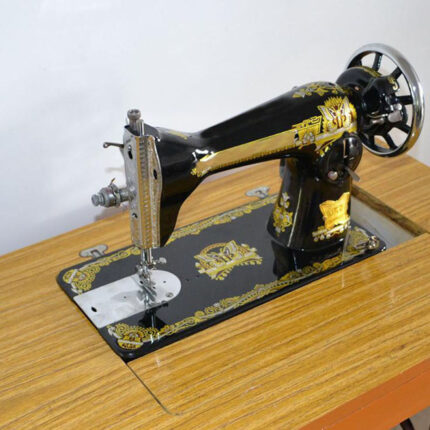
Juki vs. Butterfly: A Quick Comparison
| Feature | Butterfly (Classic JA2-1) | Juki (Industrial DDL-8700) |
| Primary Use | Domestic tailoring, off-grid sewing | Commercial garment manufacturing, high-volume studios |
| Max Speed | ~1,000 stitches per minute | 5,500 stitches per minute |
| Power Source | Manual (treadle/hand-crank) or mini motor | Electric (Servo or Clutch motor, usually 110V/220V) |
| Lubrication | Manual port-by-port oiling | Automatic oil pan reservoir (self-pumping pump) |




Reviews
There are no reviews yet.